Deck Restoration in Newcastle: Costs, Signs & What to Expect
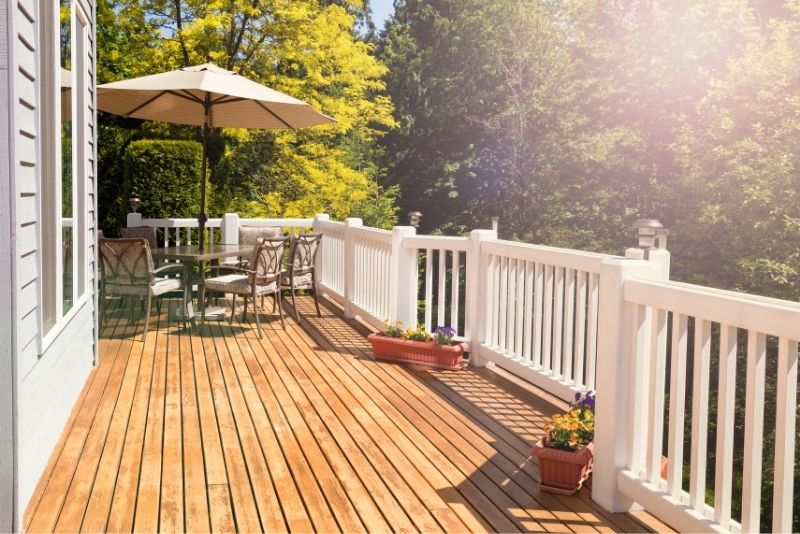
A well-built deck is one of the best outdoor investments a Newcastle home can have — but the same sun, salt air and summer storms that make the Hunter a great place to live are also hard on exposed timber. Left unmaintained, a deck that once looked stunning can grey off, splinter and start to feel unsafe underfoot.
The good news: most tired decks don’t need replacing. With the right restoration, weathered boards can be brought back to life for a fraction of the cost of a rebuild. This guide walks through the warning signs, what a professional restoration actually involves, and how to keep your deck protected afterwards.
Signs Your Deck Needs Restoration
Timber tells you when it needs attention. Look for:
- Greying or faded colour — the first sign that the protective oil has broken down and UV is reaching the raw timber.
- Splintering or rough patches — a safety issue for bare feet and a sign the surface fibres are lifting.
- Cupping, warping or lifting boards — often caused by trapped moisture, and worth inspecting before it spreads.
- Loose or popped fixings — nails and screws that have worked their way up as the timber has moved.
- Black or green staining — mould and mildew, common on shaded, damp sections.
If you’re seeing surface wear but the frame underneath is solid, you’re an ideal candidate for restoration rather than replacement.
What a Professional Deck Restoration Involves
A proper restoration is more than a quick coat of oil. A quality job usually follows these stages.
1. Inspection and repairs
Before any coating goes down, the deck is checked board by board. Damaged boards are replaced, protruding fixings are re-set or swapped for new screws, and any structural concerns in the joists or bearers are flagged. This is where an experienced eye matters — surface products can’t fix a problem that lives underneath. If your deck has structural damage, our deck repair and restoration service handles the repairs and the refinish as one job.
2. Cleaning and sanding
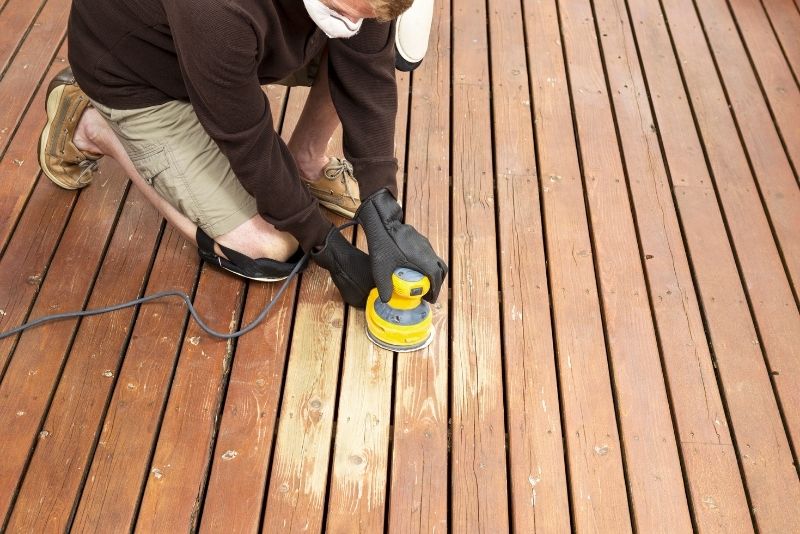
The deck is thoroughly cleaned to strip back mould, grime and the remnants of old coatings, then sanded to open up the timber grain so the new oil can penetrate. Sanding also removes splinters and evens out the surface.
3. Re-oiling or re-coating
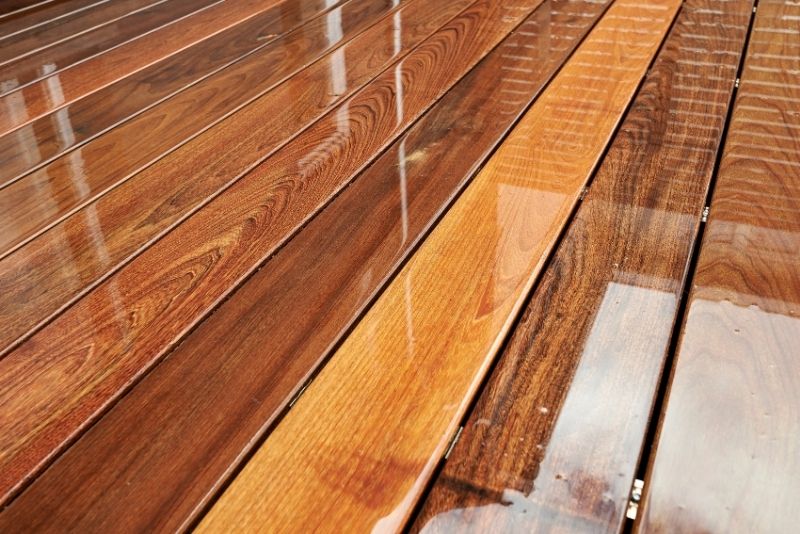
Once the timber is clean, dry and dust-free, a fresh decking oil or coating is applied — usually in multiple coats. The right product depends on your timber species; a hardwood timber deck has different needs to a treated pine or composite surface. Colour can also be refreshed at this stage.
How Much Does Deck Restoration Cost?
Restoration is priced on the size of the deck, the timber type, and how much repair work is needed before re-coating. As a guide, minor board replacement together with a full restoration finish generally sits in the $3,000–$6,000 range. More involved work — subframe repairs and larger board replacement — can run $8,000–$15,000. Most repair jobs take between one and five days depending on scope.
Decking Newcastle won’t quote off photos or give ballpark figures over the phone — every job starts with a proper on-site assessment, followed by a clear, itemised quote so there’s no guesswork. As a rule of thumb, restoring a structurally sound deck is significantly cheaper than replacing it, and it extends the life of the timber you already have. The best way to get an accurate figure is a quick on-site look, which we offer as a free, no-obligation quote.
Protecting Your Deck Through Hunter Weather
Once restored, a simple maintenance routine keeps your deck looking its best for years:
- Sweep regularly and hose off salt and grit, especially on coastal-facing decks.
- Re-oil hardwood decks around every 12 months (softwood every 6–9 months), or as soon as water stops beading on the surface.
- Move planters and furniture occasionally so the timber weathers evenly.
- Deal with mould early, before it sets into the grain.
A deck that’s maintained on a schedule rarely needs a full restoration again — just the occasional top-up coat.
Restore Your Deck With Decking Newcastle
If your deck has seen better days, it’s worth having it looked at before the damage spreads. Decking Newcastle restores tired timber decks across Newcastle, Lake Macquarie and the wider Hunter — from a simple sand-and-oil through to full board repairs. Get in touch for a free quote and we’ll tell you honestly whether restoration or replacement is the smarter call for your deck.
Frequently Asked Questions
- How often should a timber deck be re-oiled in Newcastle?
- In Newcastle's coastal conditions, hardwood decks generally need oiling around every 12 months. Softwood decks may need it more often — closer to every 6 to 9 months, depending on sun exposure and foot traffic. Staying on top of oiling is what keeps bigger repair costs down over the long run.
- Is it cheaper to restore a deck or replace it?
- It comes down to the subframe. If the bearers, joists and posts are structurally sound, repair and restoration is almost always the better option. If there's active rot, termite damage or significant footing movement, replacement makes more sense. Decking Newcastle assesses both during every on-site inspection.
- How much does deck repair and restoration cost in Newcastle?
- It depends on what needs doing. Minor fixing replacement and a full restoration finish can sit in the $3,000–$6,000 range, while more involved subframe work and board replacement can run $8,000–$15,000. Decking Newcastle gives a clear, itemised quote after an on-site assessment — they don't quote off photos or give ballpark figures over the phone.
Planning a deck project in Newcastle?
Get a free, no-obligation quote from your local Newcastle & Hunter deck builders.
Related services: Deck Repair & Restoration, Timber Decking