CALL (02) 6699 1487 NOW
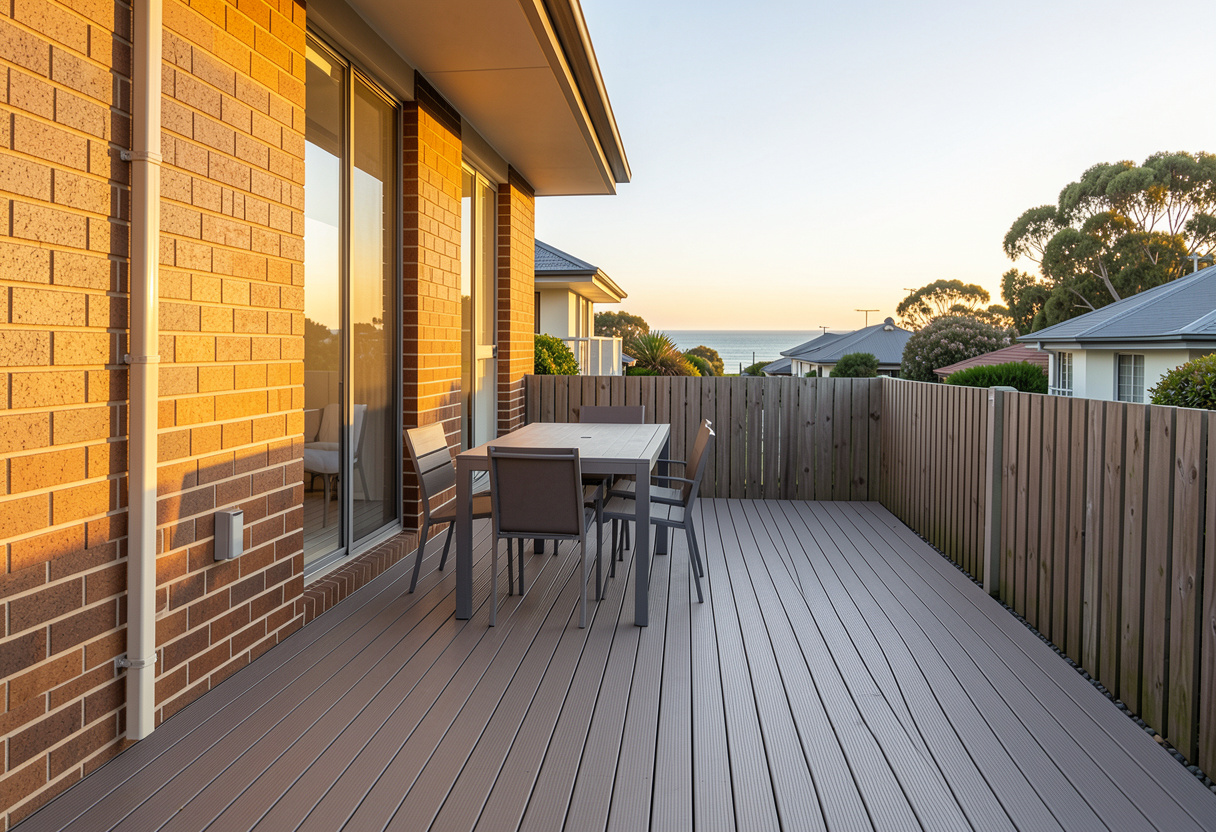
Composite deck built in Newcastle

Composite Decking Newcastle — Low Maintenance Decking Solutions for Every Home

Low-maintenance composite decks with a natural timber look, built across Newcastle and the Hunter.

  • 4.9★ from 18 Google reviews
  • Local Newcastle & Hunter builders
  • Free, no-obligation quotes

Get a Free Quote

CALL (02) 6699 1487 NOW

Premium Composite Decking Solutions Across Newcastle

If you’ve been walking around Merewether or Bar Beach lately and noticed more and more backyards with that clean, consistent timber look but none of the grey, cracked boards next door — that’s composite decking, and Newcastle is well and truly on board with it now. We’re seeing the shift first hand. More homeowners across the Hunter region are asking for composite decking Newcastle wide, not because timber’s gone out of fashion, but because they’re sick of the upkeep that comes with it.

It makes sense once you think about where we live. Salt air rolling in off Nobbys and Bar Beach, long stretches of UV through summer, humidity that doesn’t let up — it’s a tough combination for timber decking. Composite handles all of it without blinking. As one of Newcastle’s composite decking specialists, we’ve installed enough of these decks now, from Hamilton to Lake Macquarie, to know exactly what works in this climate and what doesn’t.

CALL (02) 6699 1487 NOW

Composite Decking

Why Composite Decking Makes Sense in Newcastle

If you’re still on the fence between timber and composite, here’s the honest answer — composite costs more upfront, but it gives you your weekends back. No oiling, no sanding, no re-coating every year or two just to stop the boards splitting. The colour stays where you put it, season after season, instead of fading and greying out within twelve months like a lot of timber does once the Newcastle sun gets stuck into it.

Composite boards don’t care much for moisture or insects either, which matters a lot more here than people realise. Between the salt air rolling off the coast and the humidity that sits over the Hunter through summer, timber decking takes a beating that composite just shrugs off. That’s part of why we’re seeing composite specified more and more around pools and in exposed coastal positions — Merewether, Bar Beach, The Hill — where the conditions are toughest on a deck.

On the lifecycle cost side, it’s worth doing the maths properly rather than just looking at the install quote. Timber decking needs ongoing spend — oil, sealant, the odd board replacement — that adds up over ten or fifteen years. Composite’s upfront price is higher, but once it’s down, you’re not spending much on it again. For a lot of our clients, that’s the number that actually changes their mind.

No Oiling or Sanding

Composite boards don’t need yearly oiling, sanding, or re-coating to keep them looking decent — they’re built to hold their finish without the upkeep timber demands, saving you the weekend work most timber deck owners get stuck doing every year.

Consistent Colour Retention

The colour is engineered into the board itself, not just a surface coating, so composite holds its tone through Newcastle’s UV exposure far better than timber, which greys and fades unevenly within a season or two of hard sun.

Moisture and Insect Resistance

Composite doesn’t absorb water the way timber does, and it gives termites and borers nothing to chew on — a genuine advantage in Newcastle’s humid coastal climate where timber decking is constantly fighting moisture damage.

Splinter-Free Surface

There’s no splintering with composite, which matters a lot more once you’ve got kids running around barefoot on a deck through summer — it stays smooth and consistent across the whole surface, year after year.

Suitable for Pool Surrounds

Composite handles chlorine, salt water, and constant wet-dry cycling around pools far better than timber, which is why it’s becoming the go-to choice for pool decking and surrounds across Newcastle’s coastal suburbs.

Compliance and Licensing

Composite decking is still a structure, and it’s still subject to the same regulatory framework as timber decking in NSW.

We’re licensed builders, which means any composite deck install we do meets the relevant NSW building requirements, including structural certification where the deck height or design calls for it. Composite doesn’t get you out of council requirements or certification — it just changes what’s happening at deck-board level, not what’s required underneath.

Composite vs Timber Decking — An Honest Comparison

This is the question almost everyone on this page is wrestling with, so we’ll give you the straight answer rather than a sales pitch either way.

FactorCompositeTimber
Upfront costHigherLower
Ongoing maintenanceMinimal — no oiling or sandingRegular oiling, sanding, sealing
Appearance over timeHolds colour consistentlyFades, greys, can warp or split
RepairabilityBoard replacement straightforwardEasier to patch, sand, or spot-repair
Environmental credentialsOften made from recycled contentRenewable but requires more chemical treatment over its life
Resale perceptionIncreasingly seen as a premium, low-maintenance featureStill valued, but buyers may factor in upkeep needed

Timber has its place — it’s cheaper to install, and a lot of people genuinely love the natural grain and the way it ages, and if something does get damaged, a timber board is usually easier to sand back or patch than to fully replace. But for Newcastle’s climate specifically, where salt air and UV are working against timber every single day, composite tends to be the stronger long-term choice. You’re paying more now to avoid paying — in money and weekends — later.

Recycled content is also worth a mention on the environmental side. A lot of composite boards, ModWood included, use a genuine proportion of recycled material in the core, which appeals to clients who want a lower environmental footprint without giving up the timber look entirely.

How We Install Composite Decking

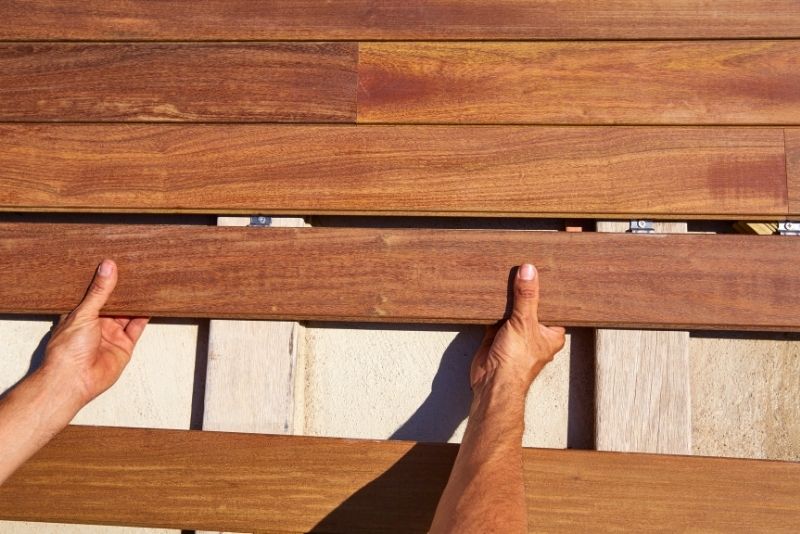
Composite decking isn’t installed the same way as timber, and getting this wrong is exactly how warranties get voided and decks start failing early. Every composite system has its own manufacturer specifications, and we follow them to the letter.

Aluminium and Steel Subframes

Composite systems are engineered around aluminium or galvanised steel subframes rather than timber joists, giving the structure better resistance to moisture and movement than a timber frame would under the same composite boards.

Manufacturer-Specified Joist Spacing

Joist centres for composite decking are tighter than standard timber spacing, set by each manufacturer based on how their specific board performs under load — we follow these specs exactly to protect both performance and warranty.

Hidden Clip Fixing Systems

Boards are secured with a hidden clip system rather than face-screwing, giving a clean surface with no visible fixings, though correct clip spacing and tension is critical to prevent board movement over time.

Expansion Allowances

Composite expands and contracts more than timber with temperature changes, so gaps are built in at board ends and fixed points during installation to stop buckling or warping later down the track.

Fascia and Perimeter Trim

Fascia boards and trim finish the deck’s perimeter, concealing the subframe and clip system underneath while giving the whole structure a clean, finished edge once the build is complete.

Composite decking Newcastle

Composite Decking Around Pools and in Coastal Conditions

Slip resistance is the first thing we check. AS 4586 sets the slip resistance classification for pedestrian surfaces, and wet areas around pools need a board that holds up to that rating even when it’s saturated, not just when it’s dry in a showroom. We only spec boards with surface textures tested and rated for wet-area use around pools — this isn’t optional when there are kids running around with wet feet.

Chlorine and salt water resistance also varies between products. Quality composite boards are formulated to resist breakdown from pool chemicals and salt exposure, but cheaper boards can degrade faster under constant splash and chemical contact. We factor this into which product we recommend for pool zones specifically.

Heat retention is the other consideration that catches people out. Dark-coloured composite boards absorb more heat under full Newcastle sun, and around a pool that means a deck that can get genuinely too hot to walk on barefoot during summer. We talk clients through colour choice with this in mind — lighter tones perform noticeably cooler around pool areas, even if the darker boards looked better in the brochure photo.

Composite Decking Product Options

We install a range of composite decking products, including trusted brands like ModWood and Ekodeck, to suit different budgets, styles, and outdoor spaces. Each product offers unique benefits, from natural timber-look finishes and slip-resistant surfaces to capped construction for improved stain resistance, colour retention, and long-term durability in Newcastle’s coastal climate.

Because we’re not tied to a single supplier, we recommend the decking product that best suits your home, lifestyle, and budget. We also ensure every board meets the required performance standards, including slip resistance and manufacturer warranty requirements, so you get a deck that’s built to last.

CALL (02) 6699 1487 NOW

Susan from Maryland, 2287

“We wanted to have the decking area around our pool. We’ve got a bunch of quotes from deferent builders, and Decking Newcastle wasn’t the cheapest one. We chose them because of the professionalism and confident they provide from the first contact we made.

It was the best decision since we bought this house. These guys always show up on time, extremely prompt to answer all our questions and always very polite. The quality of our deck is excellent and will definitely recommend these guys. Thanks again”.

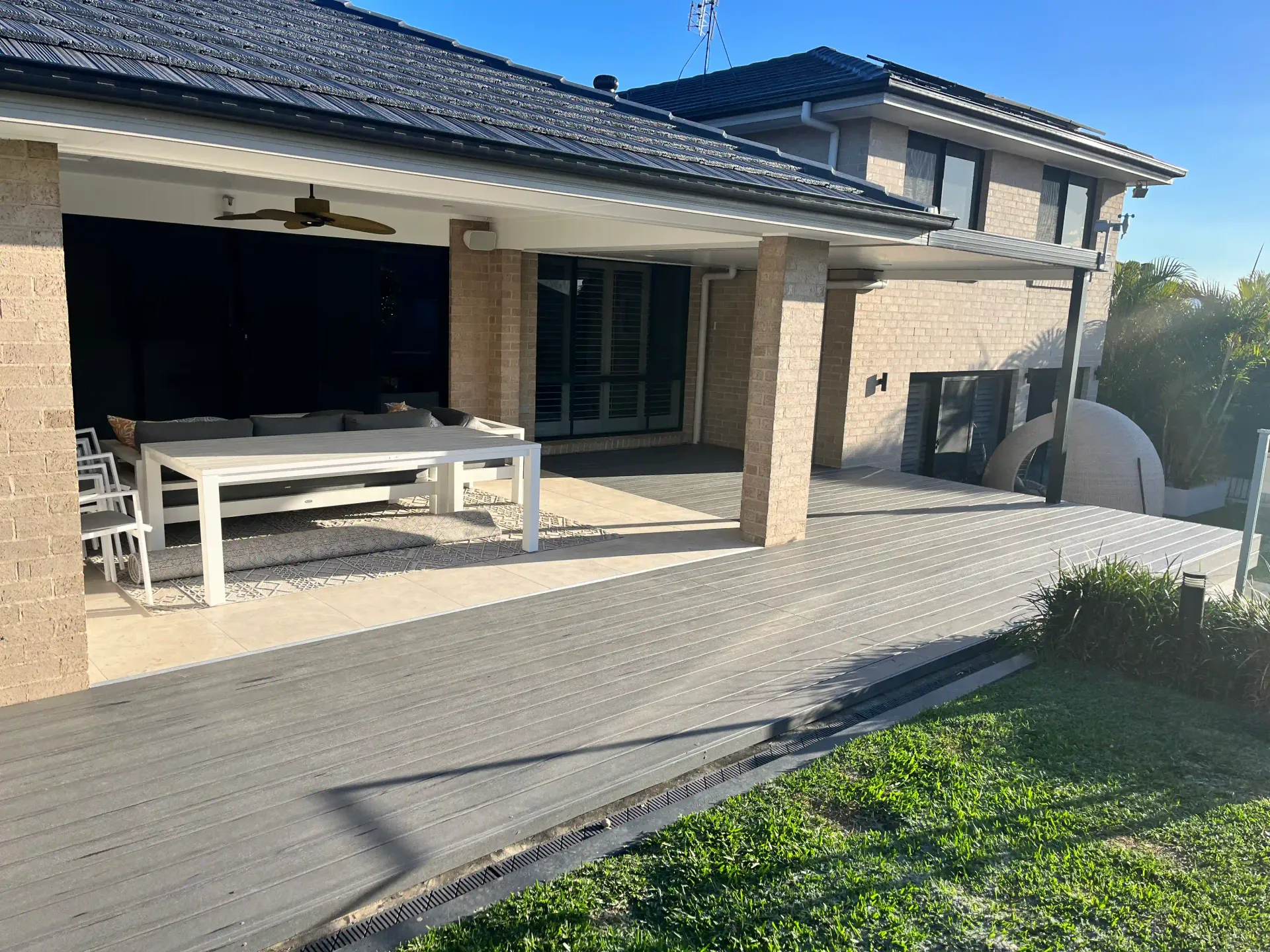
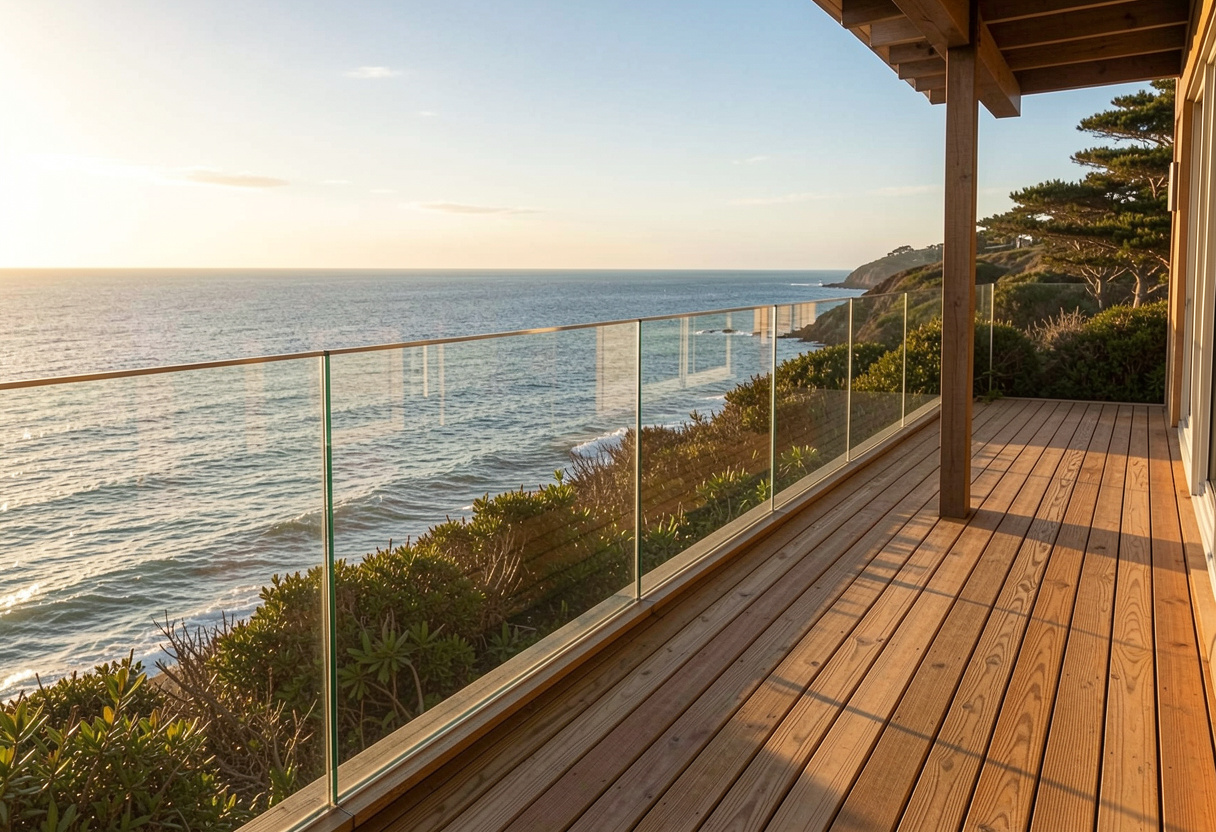
Handrail & Balustrade Installation

FAQ About Composite Decking

How long does composite decking last in Newcastle compared to timber?

Honestly, a good quality composite deck should outlast timber by a fair margin in our conditions — we’re talking 25 to 30 years versus maybe 15 to 20 for timber that’s copping salt air and full sun the whole time. The boards aren’t fighting moisture and UV the same way timber is, so they’re just not breaking down at the same rate. I’ve still got composite installs from years back in Merewether and Bar Beach that look almost the same as the day we laid them.

Can I install composite decking myself or do I need a licensed builder?

You can technically install composite decking yourself for a small, low-level project, but I’d think twice about it given how fussy these systems are about subframe spacing and clip tension. Get it wrong and you can void the manufacturer’s warranty before you’ve even had your first barbecue on it. For anything elevated or near a pool, you’ll need a licensed builder anyway to meet NSW certification requirements, so it’s usually worth having a pro handle the whole job from the start.

Does composite decking get too hot to walk on in Newcastle summers?

It can, especially with darker boards in full sun — Newcastle gets enough hard summer heat that a dark composite deck around midday can genuinely catch you out barefoot. I always steer clients with north-facing or pool-side decks toward lighter colours for exactly this reason. It’s a small trade-off in the brochure photos for a deck you can actually walk on comfortably in January.

Is composite decking worth it for a smaller budget renovation in the outer Newcastle suburbs?

If you’re in Fletcher, Chisholm, or somewhere similar working with a tighter budget, I get why timber looks more attractive upfront. But composite’s lower lifetime cost can still make sense even on a smaller job, since you’re not budgeting in yearly oiling or eventual board replacement down the track. It comes down to whether you’re optimising for the cheapest install or the cheapest deck over ten years.

Will composite decking fade or discolour from the salt air in coastal Newcastle suburbs?

Quality composite, especially capped boards like Ekodeck, is built specifically to resist the fading and discolouration that salt air causes in timber. You’ll still get a slight, even mellowing of colour over many years, but nothing like the patchy greying you see on an exposed timber deck in The Hill or Merewether after just a couple of summers. It’s one of the biggest reasons composite has taken off so much in our coastal pockets.

Can composite decking be installed over an existing concrete slab or patio?

Yes, in a lot of cases we can install composite over an existing slab, provided the subframe and fall for drainage are set up correctly on top of it. It’s a popular option for homeowners in the older Newcastle suburbs with a tired concrete patio who want the timber look without ripping everything out first. We’d still need to check the slab’s condition and levels on site before confirming it’s the right approach for your place.

Get a Free Measure and Quote

If you’re weighing up composite for your next project, the best next step is getting someone out to actually look at the site — slope, sun exposure, pool proximity, all of it factors into what product and installation approach makes sense. We’ll measure up, talk you through ModWood, Ekodeck, or whatever fits your budget and conditions best, and give you a straight quote with no pressure.

Get in touch for your free measure and quote on composite decking in Newcastle.

Related services: ModWood Deck Installation | Ekodeck Composite Decking | Pool Decking | Timber Decking | Deck Builders Newcastle

CALL (02) 6699 1487 NOW