Newcastle's Trusted Treated Pine Decking Experts
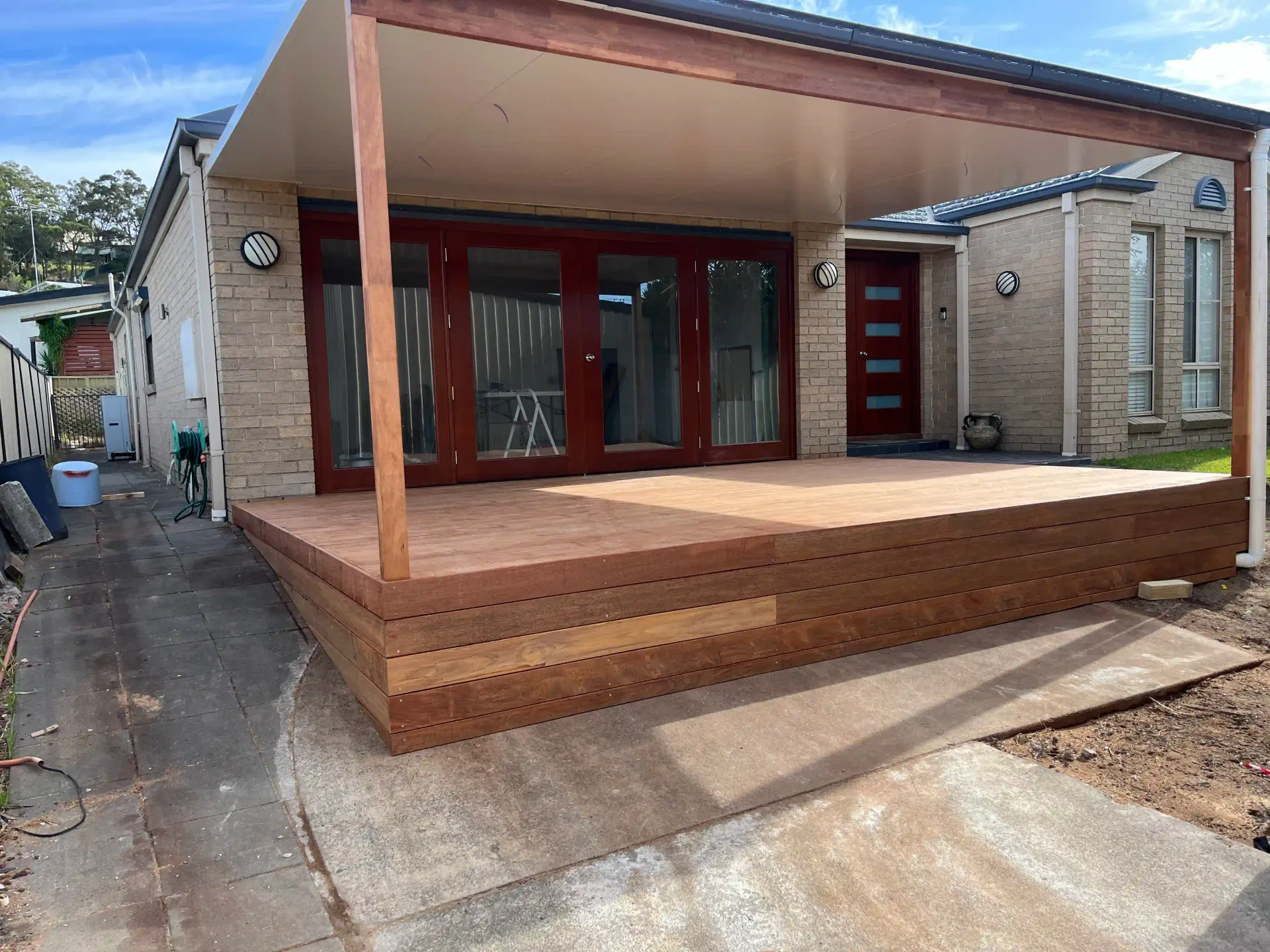
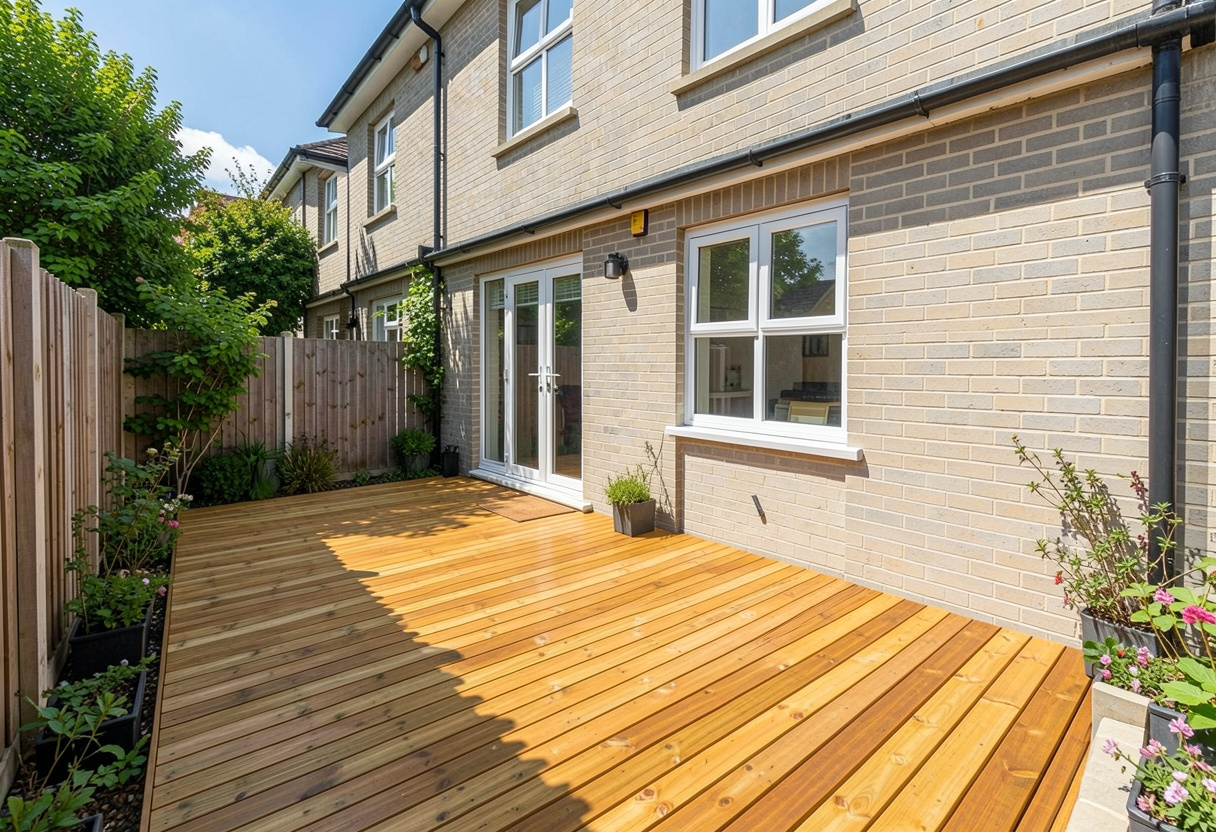
If you’ve been pricing up a new deck in Newcastle and you keep landing back on treated pine, there’s a reason for that. It’s the timber that built half the backyards in this city, and it’s still doing the job decades later for homeowners who never gave it a second thought after the final coat went on. We’re Newcastle’s treated pine decking specialists, and we’ve lost count of the decks we’ve put down across Merewether, Hamilton, Fletcher and every suburb in between.
Here’s the thing people get wrong — treated pine isn’t the “cheap option” you settle for when you can’t afford better. Pick the right hazard level, build it on a solid subframe, and a treated pine deck will outlast plenty of dearer materials while costing you a fraction of the price. Done properly, it’s one of the smartest calls you can make for your outdoor space.
CALL (02) 6699 1487 NOW
Why Treated Pine Decking Is Still Newcastle's Most Popular Choice
There’s a reason treated pine outsells every other decking timber in this country, and it’s not just price. It’s the timber that gets the job done without making you jump through hoops to get there.
Cost-Effective Without Cutting Corners
Treated pine costs a fraction of hardwood or composite per square metre, which frees up your budget for the pergola, the lighting, or the bigger deck footprint you actually wanted. You’re not sacrificing a sturdy, long-lasting deck — you’re just not paying premium prices for timber that does the same job underfoot.
Easy to Find, Easy to Stock
Standard board profiles mean treated pine is sitting in yards all over Newcastle, ready to go. No waiting weeks for a special order from interstate. That means your project starts sooner and we’re not stuck twiddling our thumbs waiting on materials to turn up.
Simple to Work With On Site
Treated pine cuts, drills, and fixes without the dramas hardwood throws at you. There’s no mandatory pre-drilling fight on every single screw, which keeps the build moving and keeps labour costs down — savings that land straight back in your pocket.
Paint It, Stain It, Make It Yours
Treated pine takes paint and stain better than any other decking timber going around. Want it to match your house colour exactly, or go bold with a feature shade? Treated pine lets you do that. Hardwood and composite don’t give you that kind of freedom.
Decades of Proven Performance
This isn’t a new or untested material. Treated pine has been holding up Australian decks for generations, and Newcastle’s climate — for all its sun and salt air — is well within what correctly treated and installed pine handles without fuss.
Finishing and Keeping It Looking Good
This is where treated pine genuinely pulls ahead of hardwood and composite — your finishing options.
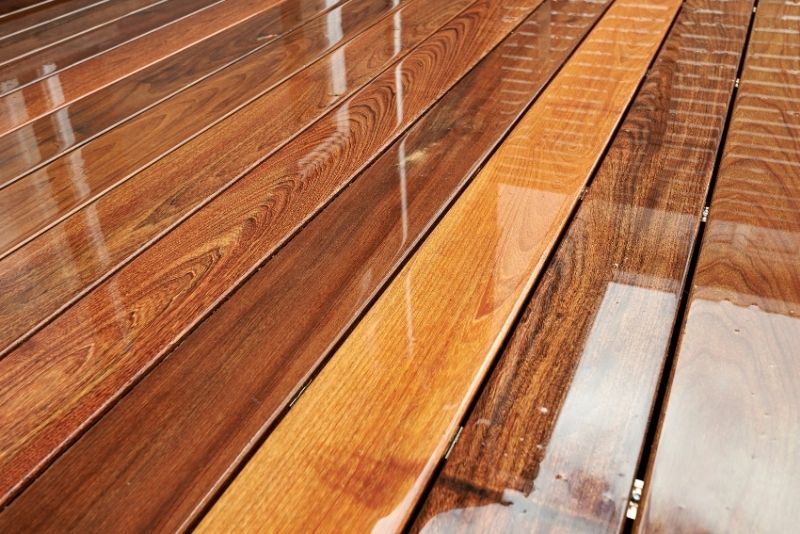
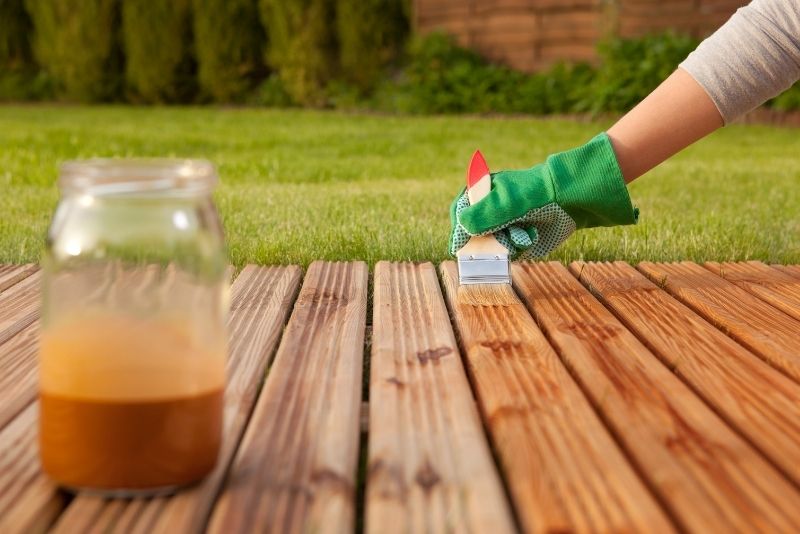
You can paint it, solid stain it, or go semi-transparent for something that still shows a bit of grain through colour. If you’d rather keep things natural, decking oil keeps the timber protected and looking fresh without hiding it under colour. Weathered boards can be sanded back and refinished rather than replaced, which isn’t something you can do with composite.
In Newcastle’s sun and coastal air, realistic maintenance looks like a recoat every 12-24 months depending on the finish and how exposed your deck is. It’s not a huge ask, and it’s what keeps a treated pine deck looking the part for years.
CALL (02) 6699 1487 NOW
Treated Pine vs Hardwood vs Composite
A lot of people land on this page mid-decision, so let’s put it plainly.
| Treated Pine | Hardwood | Composite |
|---|
| Upfront cost | Lowest | Highest | High |
| Maintenance | Regular recoating needed | Annual oiling for best look | Minimal, occasional clean |
| Appearance over time | Changes with finish chosen | Greys naturally if untreated | Stays consistent |
| Durability | Strong with correct hazard level | Very strong, naturally dense | Strong, doesn’t rot |
| Repairability | Easy — sand, recoat, replace a board | Moderate | Limited — often whole-board replacement |
Treated pine is the strongest call when budget matters, when you’re after a painted finish rather than a natural timber look, or for the subframe itself — posts, bearers, and joists — no matter what decking board you choose to put on top. Plenty of premium hardwood and composite decks in Newcastle are sitting on a treated pine frame underneath, and that’s not a compromise. That’s just smart building.
Hazard Levels Explained — Why This Is the Part That Actually Matters
This is where a lot of decks go wrong, and it’s got nothing to do with the brand of timber or who you bought it from. It comes down to hazard level — the treatment rating that tells you what a piece of timber is actually built to handle. Get this wrong and you’re looking at rot, fastener failure, and a deck that’s tired before its time. Get it right and you’ve got decades ahead of you.
Your Standard Deck Boards
Treated pine is rated for above-ground use, protected from prolonged wetting. It’s the standard call for deck boards in sheltered or well-ventilated Newcastle installations — most of what you’re walking on day to day sits at this level, and it’s exactly what it should be.
Posts, Bearers and Joists
Posts, Bearers and Joists is your in-ground and ground-contact rating, and it’s non-negotiable for posts, bearers, and joists sitting at or near ground level. This is the part of the deck nobody sees and nobody checks on, so getting the hazard level right here matters more than almost anywhere else on the build.
For the Wet and Wild Sites
For the Wet and Wild Sites is the heavy-duty rating for severe in-ground exposure and freshwater contact — think posts going into wet or poorly drained ground, or jobs sitting close to Newcastle’s estuaries and waterways. It’s not needed on every job, but on the right site it’s the difference between a deck that lasts and one that doesn’t.
Decking Newcastle (02) 6699 1487Decking NewcastleWatch onTreatment Types — CCA, Copper Azole and LOSP
CCA (copper chrome arsenate) is the old workhorse — it’s been around for decades and gives timber that distinctive greenish tinge. It does the job, but offcuts need proper disposal through the right channels.
Copper azole is the newer alternative, generally giving a more natural brown tone with less of that chemical smell hanging around the timber. Handling-wise it’s a similar story to CCA, just a touch friendlier to work with.
LOSP (light organic solvent preservative) treated pine tends to come through paler and drier, with less odour again. It’s commonly used where appearance matters a bit more straight off the rack.
None of these treatment types are “better” across the board — it comes down to what’s available, what finish you’re chasing, and what the job calls for.
Getting the Installation Right
A treated pine deck is only as good as the way it goes in, and there’s a few things we never skip.
Fixings — hot-dipped galvanised or stainless steel only. Standard fixings react badly with the copper in the treatment and corrode fast, which is the last thing you want hidden under your boards.Pre-drilling — dry treated pine splits easier than you’d think, especially near board ends. We pre-drill to stop that happening before it becomes a problem.Board spacing — gaps are left deliberately for drainage and for the timber to move with the seasons. Too tight and you’re asking for trouble down the track.End grain sealing — every cut end gets sealed. Cutting timber on site exposes untreated core, and skipping this step is how rot sneaks in years down the line.CALL (02) 6699 1487 NOW
FAQ About Treated Pine Decking
How long does a treated pine deck actually last in Newcastle?
With the right hazard level and a coat of paint or stain kept up over the years, I’ve seen treated pine decks around Newcastle still going strong after 20-25 years. The salt air off the coast does mean you can’t skip maintenance like you might inland, so staying on top of recoating is what gets you that lifespan. Skip the upkeep and you’ll be looking at a much shorter run.
Can I leave treated pine decking unfinished or does it need to be painted straight away?
You can leave it bare for a little while, but I wouldn’t push it past a few months in Newcastle’s sun before getting a finish on it. Once that timber’s exposed to UV and our coastal humidity it starts greying and drying out fast, and you lose some of the protection the treatment’s giving you. Get a coat of oil, stain or paint on early and you’re protecting your investment from day one.
Is treated pine decking safe to use around a pool or near the kids playing barefoot?
Treated pine’s perfectly safe once it’s properly finished — the treatment’s locked into the timber, it’s not something that rubs off on bare feet. I’d always recommend a textured or oiled finish near a pool deck though, because bare boards can get slippery when wet, which matters a lot for families around Newcastle with young kids running in and out of the water. Just keep the maintenance up and you’ve got a safe, solid surface for years.
Will treated pine decking warp or crack in Newcastle's weather?
Some movement is normal with any timber deck, and treated pine’s no different — you’ll get a bit of natural expansion and contraction as the seasons shift. What actually causes warping or cracking is usually a build issue, like boards laid too tight or fixings that weren’t right for the timber, not the treated pine itself. Get the spacing and fixings right at install and you shouldn’t see any real problems.
Do I need council approval for a treated pine deck in Newcastle?
It depends on the height and size of what you’re building — a low-set deck close to the ground often doesn’t need approval, but anything elevated or attached to the house can trigger Newcastle City Council requirements. I always check this with clients before we start so there’s no surprises halfway through the job. Best to ask us directly about your specific block rather than guessing based on what a neighbour did.
Can treated pine decking be installed over an old concrete slab or existing deck?
Yes, in plenty of Newcastle homes we’ve built treated pine decks straight over an old slab once we’ve checked it’s sound and level. Existing timber decks are a different story — we generally need to assess whether the old frame’s strong enough to build over or whether it needs to come out first. Either way, it’s worth getting someone to have a look before you assume it’s a straightforward job.
Get Your Free Treated Pine Decking Quote
If you’re after a deck that’s affordable, gets the job done properly, and is backed by a builder who actually understands hazard levels and correct specification, give us a call. We’ll come out, measure up, and give you a straight quote — no pressure, no upsell.
Looking at hardwood instead? Check out our Merbau deck construction and hardwood decking installation pages. Curious about low-maintenance options? Have a look at composite decking. Or head back to our main timber decking and Deck Builder Newcastle pages for the full picture.
CALL (02) 6699 1487 NOW